Why Football League Standings Matter More Than Fans Often Realize
Football fans often focus on match highlights, star players, and dramatic goals, but league standings remain one of the most important parts of the sport. Bảng xếp hạng reflects not only results but also consistency, tactical quality, and the ability of a club to perform throughout an entire season.Let’s explore why football standings attract millions of viewers every week and how they influence everything from team morale to betting analysis and odds predictions. Understanding league rankings in greater depth can help fans follow competitions more intelligently instead of simply checking match results after each round.
Football standings provide a clear picture of team performance across the season

One reason football standings receive so much attention is because they offer the most accurate overview of a team’s long-term performance. A single victory may create excitement temporarily, but league tables reveal whether a club can maintain stability over many matches. Teams that consistently stay near the top usually possess strong tactical systems, balanced squads, and effective coaching strategies.
Standings also show important details beyond points alone. Goal difference, defensive records, and winning streaks often explain why some teams dominate despite facing difficult schedules. Supporters and analysts frequently use these statistics to evaluate whether a club truly deserves its position or has simply benefited from favorable fixtures.
For smaller clubs, climbing higher on the table can dramatically change public perception. A team once considered an underdog may suddenly gain attention from media, sponsors, and fans after maintaining strong league form for several consecutive rounds.
Why football standings strongly influence betting trends and tỷ lệ kèo analysis
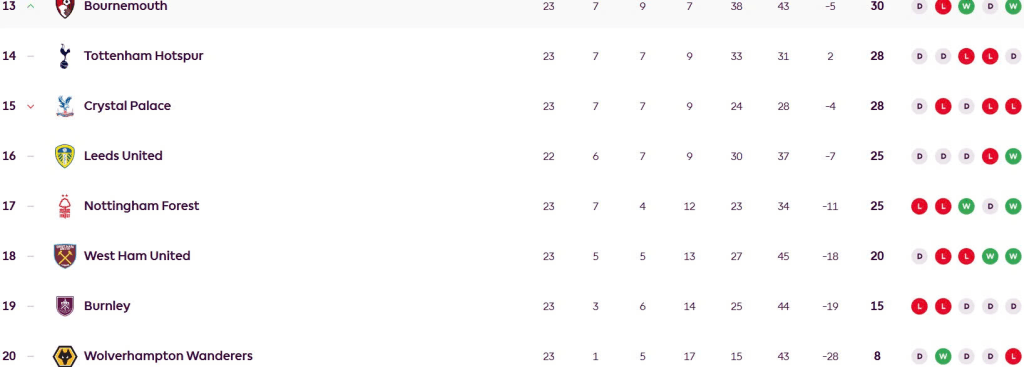
League rankings play a major role in sports betting because they directly affect how bookmakers set odds before matches begin. Teams sitting near the top of the table are often viewed as favorites, while clubs struggling in relegation zones usually receive less confidence from betting markets. However, experienced bettors understand that standings alone do not always tell the full story.
Bookmakers also analyze recent form, injuries, home advantage, and motivation before adjusting tỷ lệ kèo for each fixture. Sometimes a lower-ranked team can still create serious problems for stronger opponents, especially when playing at home or fighting to avoid relegation. This is why many professional bettors compare league standings with current performance instead of relying only on position rankings.
Another important factor is psychological pressure. Clubs competing for championships or European qualification often face enormous expectations during the final weeks of the season. These pressures can influence performance and create unexpected results that affect both standings and betting markets.
The battle for top positions creates excitement throughout every football season
One of the biggest reasons fans constantly follow football standings is the intense competition between clubs chasing important positions. Title races, Champions League qualification spots, and relegation battles all contribute to the drama that keeps leagues exciting until the very end of the season.
In many competitions, the difference between first and second place can determine massive financial rewards and long-term prestige. Even a single draw or unexpected defeat may completely change the title race. This constant pressure forces teams to maintain focus and consistency across every stage of the campaign.
Relegation battles are equally dramatic. Clubs near the bottom often fight desperately for survival because dropping to a lower division can have serious financial and sporting consequences. These situations create highly emotional matches where motivation sometimes becomes more important than technical quality.
Modern football standings reflect tactical evolution and squad depth

Football standings today are influenced by much more than individual talent. Modern clubs rely heavily on tactical organization, sports science, squad rotation, and data analysis to maintain consistent results throughout long seasons. Teams competing in multiple tournaments need deep squads capable of handling injuries and fixture congestion effectively.
Managers now pay closer attention to controlling match tempo, minimizing defensive mistakes, and maximizing efficiency rather than focusing only on attacking football. This tactical evolution explains why some teams can remain near the top of standings despite not always dominating possession or scoring large numbers of goals.
Squad depth has also become increasingly important. Clubs with strong bench options usually perform better during demanding periods involving domestic leagues, international competitions, and cup tournaments. Maintaining physical condition over many months is often just as important as technical quality.
Fans use football standings to follow trends and predict future outcomes
League tables are not only useful for tracking current rankings but also for identifying future trends. Analysts and fans often study standings carefully to predict which teams are improving, declining, or likely to challenge for major achievements later in the season. Momentum plays a huge role in football, and standings frequently reveal shifts before they become obvious in headlines.
Winning streaks can build confidence and transform average teams into serious competitors. Meanwhile, clubs experiencing poor runs may struggle psychologically even if they still possess strong squads on paper. This dynamic relationship between performance and confidence is one reason football standings remain fascinating throughout the season.
Standings also influence fan culture and online discussions. Supporters constantly compare positions, points, and goal differences while debating which teams deserve success or face potential decline. These conversations keep football communities active long beyond the ninety minutes of each match.
Conclusion
Football standings represent far more than simple rankings on a table. They reflect consistency, tactical quality, mental strength, and the ability to perform under pressure across an entire season. From shaping tỷ lệ kèo analysis to creating unforgettable title races and relegation battles, league tables remain one of the most important elements in modern football culture. Fans who understand how to analyze standings beyond basic points often gain a deeper appreciation for the sport and its constantly changing competitive landscape.