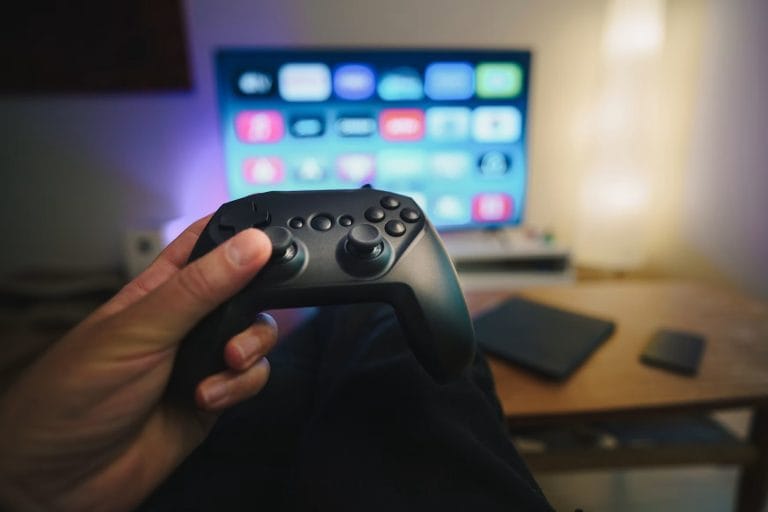
The Digital Leisure Revolution: How People Are Choosing to Unwind Today
Leisure used to demand a destination or a fixed time. Now it appears in the gaps: before a train, at half-time or after dinner. Streaming, mobile games, podcasts, social video and live betting compete for those windows. Convenience won; attention became scarce.
The evening has been broken into sessions
A leisure session often begins without a plan. A notification opens a clip, the clip sends a viewer to a live score, and the score leads to a stream or betting market. The chain can happen in minutes.
Design has to respect interruption. People switch networks, lock the screen, and return later. Products that preserve progress and keep important controls visible earn the second visit.
$3.5 trillion, split across millions of choices
PwC reported that global entertainment and media revenue reached $3.5 trillion in 2026, up 5.3% from the previous year. The total includes advertising, connectivity and consumer spending, so it is not a direct measure of free time. It does show how many businesses now compete to fill it.
Gaming makes the shift clear. BCG estimated almost $130 billion in mobile in-app purchases during 2026, close to half of global game revenue. Many users now want a round, episode, or market that fits the time available.
Watching alone no longer feels complete
Digital leisure increasingly asks the audience to do something. Viewers vote, comment, build playlists, compare statistics, choose story paths or make a prediction before kick-off. Participation turns a broadcast into a personal session.
Sport sits at the center of that change because the result remains uncertain until the final whistle. Live scores and player data invite interpretation. Betting markets add a price to the argument, while fantasy teams and group chats give the same match different stakes.
Four filters decide what survives on a phone
A large catalog can look impressive and still fail in use. Mobile leisure depends on four practical filters:
- Speed: the first useful screen should appear before interest cools.
- Continuity: the same account and history should follow the user between devices.
- Control: search, filters, limits and payment status must be easy to find.
- Depth: a short session should still lead to rules, statistics or full content when needed.
Fewer taps often beat a larger home page. Choice matters after the route is clear. Before that, it is clutter.
RolsBet treats leisure as a switchable session
A sports fan may want pre-match odds before kick-off, live markets during play and a short game after the result. The Ethiopian rolsbet-et.com/en site keeps those sections inside one account rather than sending the user to separate products. Its navigation covers sport, live betting, RolsGames, casino and other entertainment formats. The value lies in the handover between them, not in pretending every user wants the same session.
The mobile route follows the same logic. Users can choose the responsive website, an Android application or a home-screen web option on iPhone and iPad. A browser suits a quick visit; a repeat user may prefer an installed route with fewer steps.
Registration is part of the experience
A leisure product can lose a user before the first match or game appears. Long forms, unclear password rules, and repeated verification fields create work at the exact moment the visitor expects play. Good onboarding asks for the information required for the chosen method and explains the next action.
The official RolsBet registration page currently presents four routes: phone, email, social networks or messengers, and one-click. That range lets a user choose between speed and a login method that is easier to recover later. Phone registration uses the +251 prefix and a confirmation code. Accurate details support recovery and verification.
A better evening uses fewer, stronger choices
The digital leisure revolution is not a contest to keep every app open. A cleaner routine works better: pick the main event, mute duplicate alerts and decide the session budget before starting a paid game. The method protects attention without draining the fun.
One live match, one trusted score source and one entertainment account can carry an evening. Ten open tabs usually add delay, not depth. The best product is the one that returns the user to the exact decision that matters.